Last updated: August 18, 2026
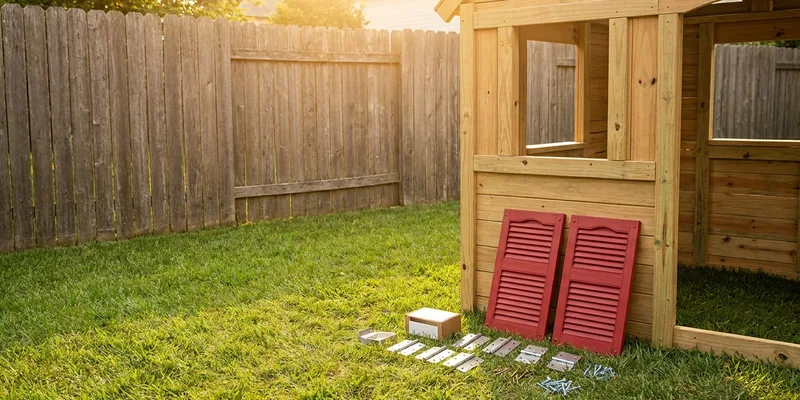
Hunting for playhouse replacement parts splits neatly into two very different searches. Generic hardware, roofing, timber and glazing you can buy anywhere and fit yourself; molded plastic panels and brand specific moldings you can only get from the manufacturer, and often only while the model is still current.
This guide covers which parts fall on which side of that line, what to buy when a roof has failed, and how to judge whether a tired playhouse is worth repairing at all. It is written for the common failures: leaking roofs, sagging doors, cracked window panels and hardware that has rusted into uselessness.
This article contains affiliate links. If you buy through them, we may earn a commission at no extra cost to you. Learn more.
Quick Answer
Where do you get playhouse replacement parts?
- Timber playhouses are mostly repairable with hardware store materials: roofing, hinges, exterior screws, boards and glazing are all generic.
- Molded plastic panels are the exception. If a panel cracks, the manufacturer’s parts service is usually the only route, and availability drops off once a model is discontinued.
- Roofs are the most common failure and the most fixable. Re-covering a timber roof with roll roofing or shingles is a weekend job with ordinary materials.
- Before ordering anything, find the model number on the manual or on a molded stamp inside a panel. Parts services work from that, not from a description.
What You Can Source Yourself and What You Cannot
The dividing line is simple: anything that is essentially a building material is generic, and anything that was made in a mold specifically for that model is not. That single distinction saves most of the time people lose searching for branded parts that were never sold separately in the first place.
| Part | Generic or manufacturer only | What to look for |
|---|---|---|
| Roof covering | Generic on timber houses | Roll roofing or shingles rated for exterior use, plus roofing nails and a drip edge |
| Molded plastic panel | Manufacturer only | Model number and production year; availability drops after discontinuation |
| Hinges and latches | Generic | Exterior grade, stainless or hot dip galvanized, sized to the existing screw pattern |
| Screws and bolts | Generic | Exterior rated fasteners; do not mix metals that will corrode against each other |
| Window glazing | Usually generic | Acrylic or polycarbonate sheet cut to size, never glass in a children’s structure |
| Floor or wall boards | Generic on timber houses | Same species and thickness where possible, sealed before fitting |
| Slide or climbing part | Manufacturer only | Original specification only; substitutes change the geometry and the fall height |
If the structure turns out to be beyond sensible repair, our guide to choosing a playhouse for backyard use covers the wood against plastic decision before you replace it.
Replacing a Playhouse Roof
The roof fails first on almost every timber playhouse, and it is also the easiest repair to do properly. A failed felt or roll covering lets water into the sheathing, and from there into the wall tops, so the sooner it is re-covered the less of the structure you end up replacing.
Strip the old covering back to sound sheathing, replace any board that is soft or delaminating, then lay new roll roofing or shingles from the bottom edge upward with generous overlap. Cover the ridge last. Nothing about the sequence is playhouse specific; it is small scale shed roofing.
Plastic Roofs Are a Different Story
A molded plastic roof section that has cracked or gone brittle cannot be patched convincingly, and tape or sealant on a sun degraded panel buys weeks rather than seasons. Check the manufacturer’s parts service first, and if the panel is unavailable, a fitted waterproof cover over the house is the honest interim answer rather than a repair.
Doors, Hinges and Hardware
A door that has stopped closing is usually a level problem, not a door problem. Timber houses rack when the base sits on uneven ground, which pulls the frame out of square and binds the door long before the hinges themselves wear out. Fixing the ground and re-squaring the frame comes before buying hardware.
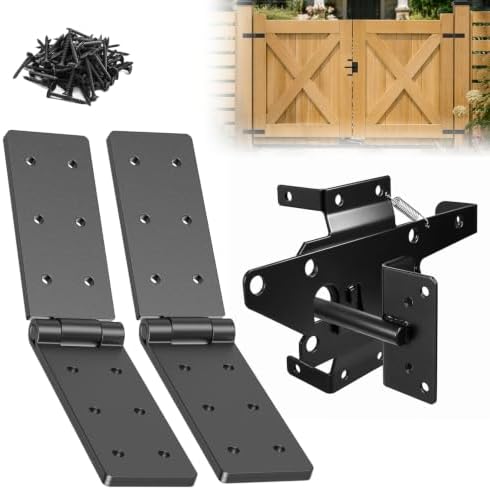
Once the frame is square, replace hinges and latches with exterior grade hardware sized to the existing screw pattern where you can. Stainless or hot dip galvanized items last considerably longer than plated hardware in a structure that sits in the weather all year.
What to Buy for the Common Repairs
How we chose: we matched the recurring failure points on backyard playhouses to the generic materials that fix them, favouring exterior rated products, standard sizes and items that do not require special tools. Selections lean on manufacturer specifications and recurring themes in owner reviews rather than any hands-on trial of our own.
🏠 For a Leaking Timber Roof
Roll roofing or a small pack of shingles rated for exterior use, enough to cover the deck with proper overlap, plus roofing nails. This is the single repair that saves the most structure per hour spent.

🔩 For Sagging Doors and Loose Panels
Exterior grade hinges and a latch in stainless or hot dip galvanized finish, matched to the existing screw pattern so you are not drilling fresh holes into weathered timber.
🪟 For Cracked Window Panels
Acrylic or polycarbonate sheet cut to the opening, which is the standard substitution in a children’s structure. Glass has no place in a playhouse, whatever the original had in it.

Picks by Situation: Rotten Boards and Rusted Fasteners
Two repairs come up constantly on older timber houses: a base board that has been in contact with soil and gone soft, and a set of fasteners that have corroded to the point where the heads round out. Both are cheap to fix and expensive to ignore.
🪵 For Soft or Rotten Timber
Exterior wood filler for small areas, and a replacement board of the same thickness where the damage runs deeper. Seal the replacement on all faces before fitting, including the end grain, which is where water gets in.

🔧 For Corroded Fasteners
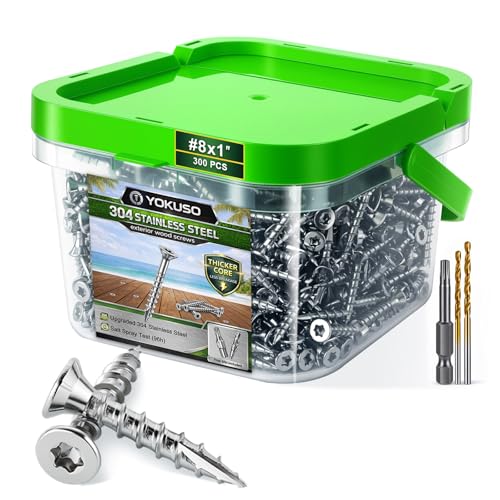
A box of exterior rated screws in the sizes the house actually uses, so you can replace as you go rather than mixing new and rusted hardware in the same joint.
Once boards are replaced, the whole house benefits from being refinished at the same time, and our walkthrough on how to seal and paint a playhouse covers the order of operations.
Finding the Model Number Before You Order
Manufacturer parts services work from a model number, not from a photograph or a description. On timber houses the number is usually in the manual or on a label inside a wall panel; on molded plastic houses it is often stamped into the plastic near the base of a panel, along with a date code.
If you no longer have the manual, most manufacturers keep archived manuals on their support pages by model, and the exploded parts diagram inside tells you what was ever sold separately. That diagram is the fastest way to find out whether the part you want exists as a part at all.
When to Repair and When to Replace
- Repair the roof, always. It is cheap, it is generic, and it stops the damage that eventually ends the structure.
- Repair timber that is soft in one place. Board by board replacement is what a wooden house is for.
- Think hard about a cracked molded panel. If the manufacturer no longer supplies it, there is no honest fix, and a taped panel is a false economy.
- Replace anything structural you cannot match. Substituting a different slide or climbing part changes the geometry and the fall height, which the CPSC Public Playground Safety Handbook ties protective surfacing guidance to.
- Weigh the labour honestly. A house needing a roof, boards, hardware and a full refinish is a project, not a repair.
Frequently Asked Questions
Can you buy replacement panels for a plastic playhouse? Sometimes, through the manufacturer’s parts service, and mainly while the model is still in production. Once a model is discontinued, panel availability tends to disappear quickly, which is why a cracked molded panel is often the point at which a plastic house reaches the end of its life.
How do you replace a playhouse roof? On a timber house, strip the old covering back to sound sheathing, replace any soft boards, then lay roll roofing or shingles from the lower edge upward with proper overlap and finish at the ridge. On a molded plastic house, the roof section is a manufacturer part rather than a repair.
What can you use instead of the original window in a playhouse? Acrylic or polycarbonate sheet cut to the opening. Never fit glass in a children’s structure, regardless of what was there before, and smooth or trim the cut edges before fitting.
How do you find the model number of a playhouse? Check the manual first, then look for a label inside a wall panel on timber houses or a stamp molded into the plastic near the base on plastic ones. Manufacturer support pages usually archive manuals and exploded parts diagrams by model number.
Are playhouse parts interchangeable between brands? Generic building materials are, and brand specific moldings are not. Hardware, roofing, glazing and timber cross over freely; anything that clips or bolts into a proprietary panel almost never does.
Is it worth repairing an old playhouse? Usually yes for a timber house, because the failures are localised and the materials are ordinary. For a molded plastic house with cracked or brittle panels, the answer is more often no, since the panels are the structure and cannot be repaired convincingly.
The Bottom Line
Sort the part into generic or proprietary before you start searching. Roofing, hinges, fasteners, glazing and boards are hardware store items, and fitting them yourself keeps a timber playhouse going for years. Molded plastic panels are a manufacturer only proposition, so find the model number, check the parts service early, and be realistic when a panel is no longer available.
See what to buy for each repair