BackyardPlayWise.com
Build a backyard kids actually play in, safely.
Trampolines, swing sets, climbing frames and the ground underneath them. We explain what the safety guidance actually asks for, what a spec on a product listing means once the thing is in your yard, and what you can leave until later.
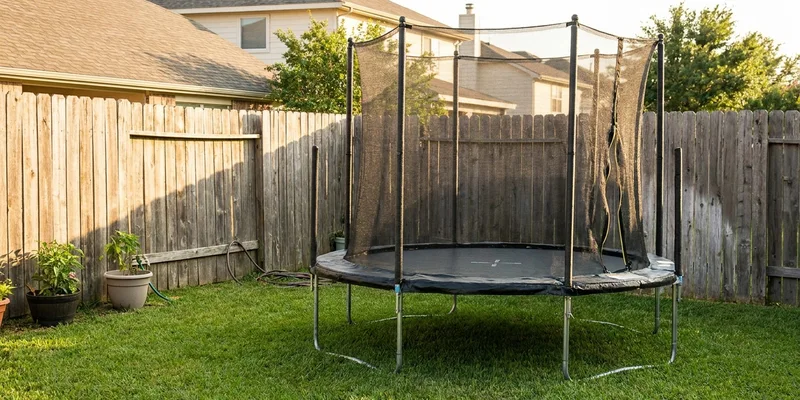
Start with the ground ›Browse the trampoline guides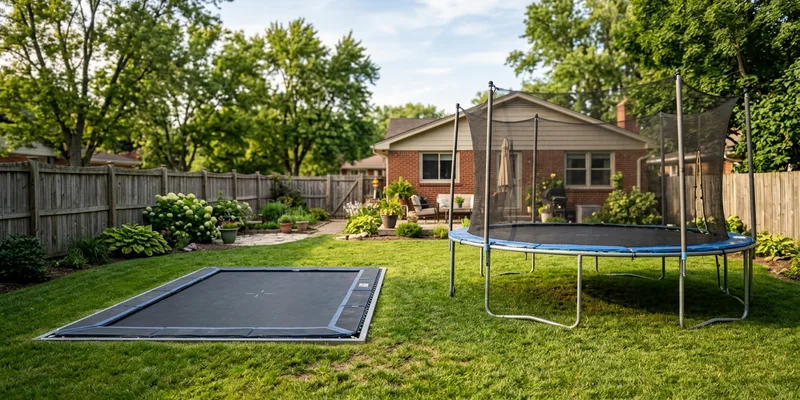 Trampolines ›
Sizes, nets and anchoring, and where a trampoline can safely stand in a yard.
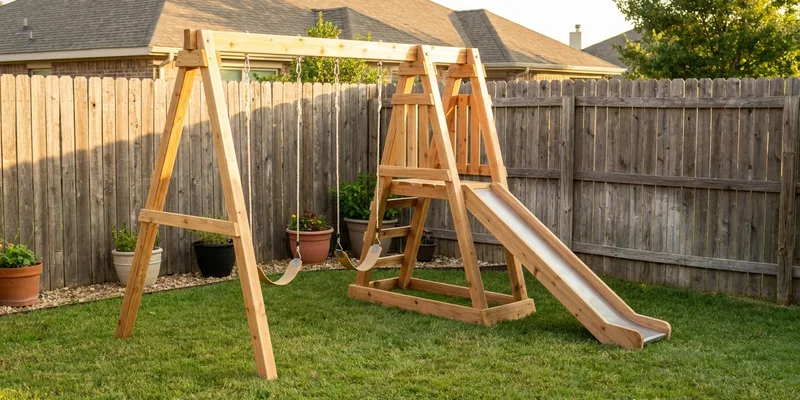
 Swing Sets & Playsets ›
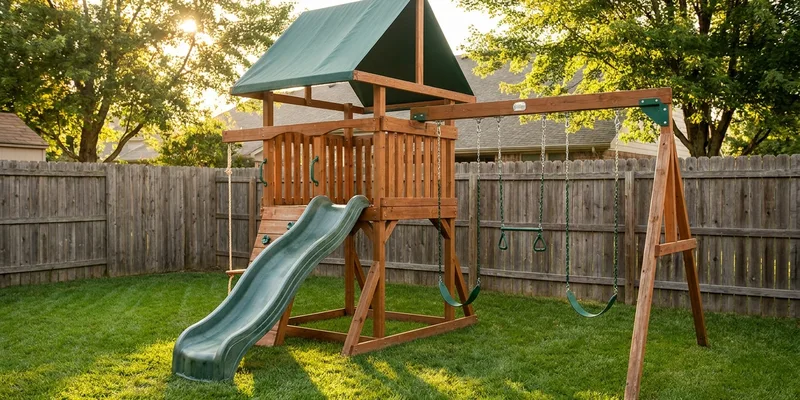
Wood or metal, what fits a small lot, and how to anchor and maintain it.
 Climbing & Active Play ›
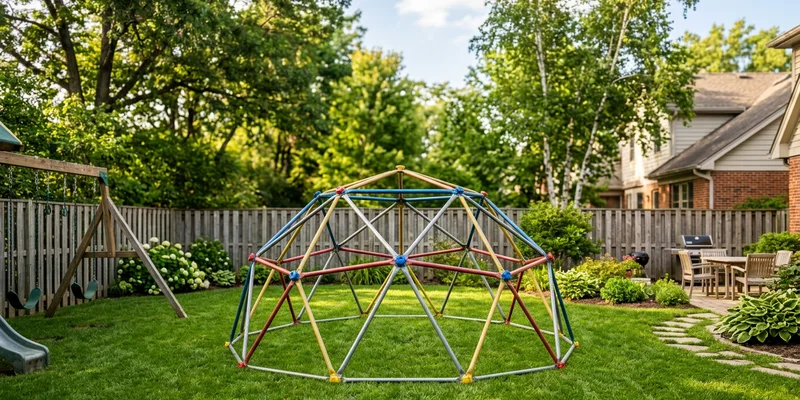
Monkey bars, climbing domes and ninja lines, sized for the kids using them.
 Playhouses & Sandboxes ›
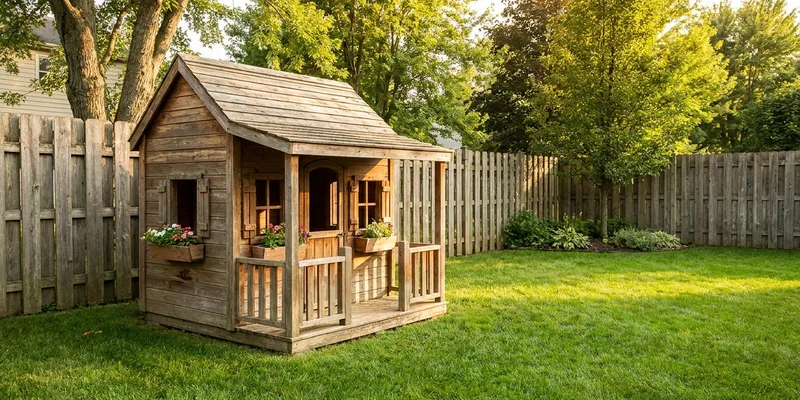
Playhouses, sandboxes and water play, from picking one to keeping it clean.
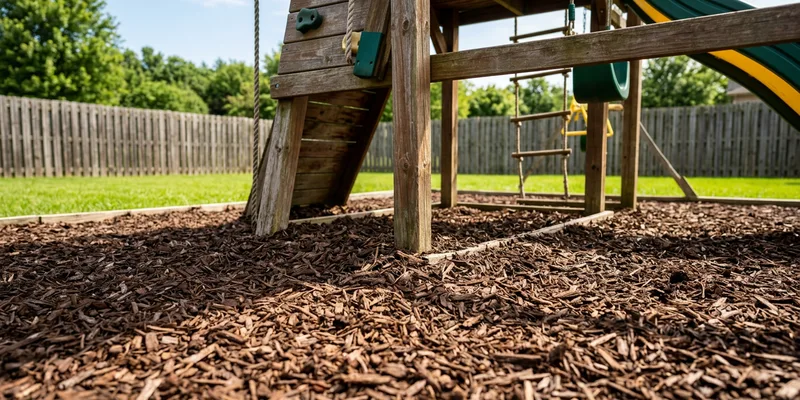 Safety & Ground Prep ›
Surfacing, fall zones, drainage and anchors, with the CPSC guidance behind them.
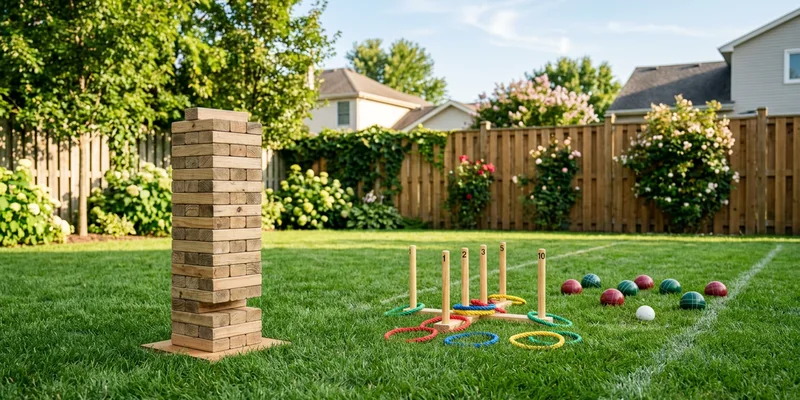 Backyard Games ›
Goals, nets and lawn games that turn a plain lawn into somewhere to play.
Planning a play area? Start here
All swing set guides ›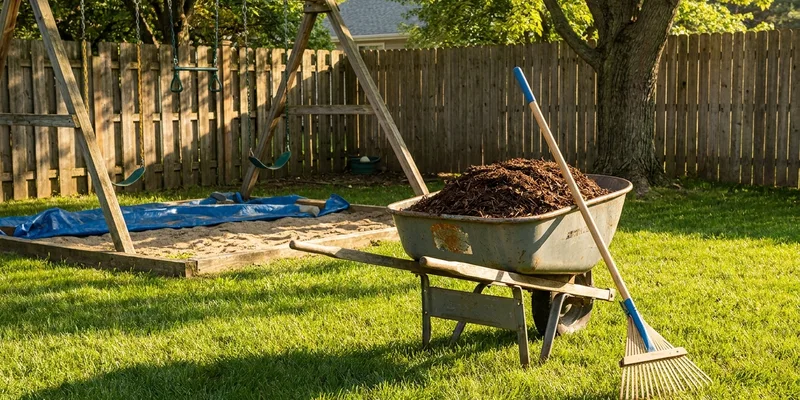 SurfacingHow to install playground mulchLayer by layer, from the base up, so the surface still works next spring.
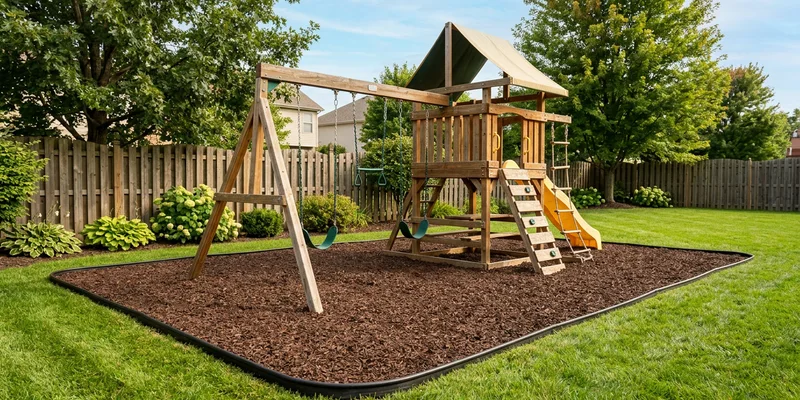 Fall zoneGround cover under a swing setEvery option compared, from wood chips and rubber to turf and plain grass.
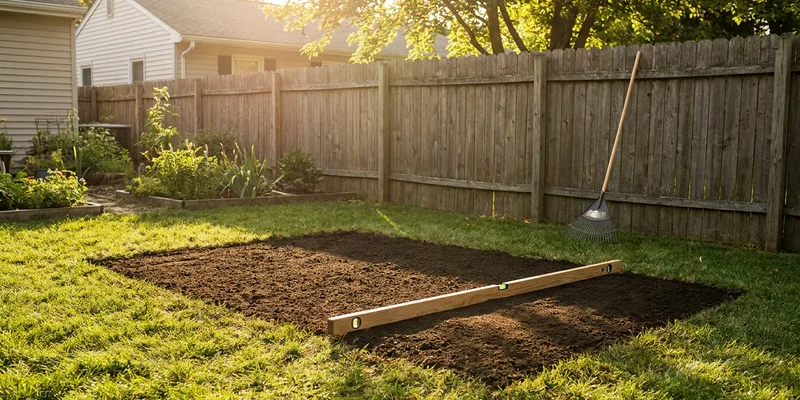 Ground prepHow to level ground for a playsetStep by step on a sloped lawn, without renting equipment you do not need.
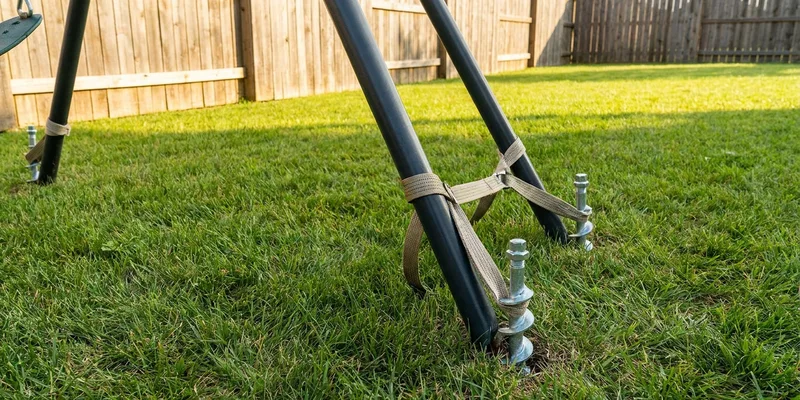 AnchoringGround anchors for play equipmentWhich anchor kit suits your soil, your frame and the wind you actually get.
The ground matters more than the equipment
Most backyard injuries are falls, and what a child lands on decides how a fall ends. That is why every guide here starts with the surface and the clear space around the equipment before it gets to brands and features. Where we name a depth, a fall height or an age range, it comes from the Consumer Product Safety Commission handbooks, and we say which one. Where the guidance is silent, we say that too instead of inventing a number that sounds authoritative.
An honest line about what we do
We do not run a test lab and we do not pretend to. There is no drop rig in a warehouse here, no weather chamber, and no scoring rubric invented to look scientific. What we do is read the official safety guidance, compare what manufacturers publish about their own products, and translate it into plain language, with the differences that matter to a family with a normal lawn put first. Local rules on permits, setbacks and HOA approval vary by county, so we point you to them rather than guess.
Why BackyardPlayWise.com?
Every pick sits inside a guide that explains what the play area needs before it names a product.
Fall heights, surfacing depths and age ranges are traced back to the CPSC handbooks, not to us.
Sloped lawns, tight lots and a budget that has to cover the ground cover as well.
We compare published specs and official guidance instead of staging tests we never ran.