Last updated: August 18, 2026
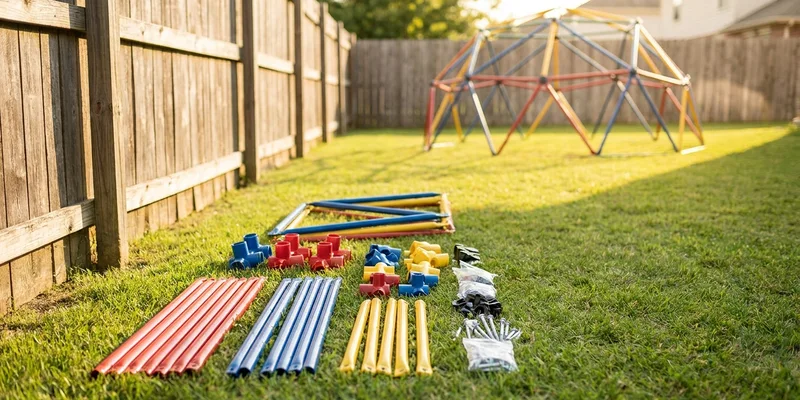
Hunting for climbing dome replacement parts usually starts with one seized bolt, a torn canopy, or a connector that has cracked at a load point, and the frustrating part is that the frame itself is almost always fine. A dome is a simple structure, so most repairs come down to identifying the right part and deciding whether to order it from the manufacturer or match it at a hardware level.
This guide covers which parts actually fail, how to identify your model before you order anything, what Zupapa and other dome makers supply directly, and when a generic replacement is fine versus when it is not.
This article contains affiliate links. If you buy through them, we may earn a commission at no extra cost to you. Learn more.
Quick Answer
Where do you get climbing dome replacement parts?
- Structural parts such as tubes and connectors come from the manufacturer. Zupapa and most other dome brands run a parts request through their support channel, and you will need your model and order details.
- Fasteners, anchors, and canopies are the parts most often replaced generically, since bolt sizes and stake types are standard even when the frame is not.
- Match thread size and material before ordering hardware, and treat a cracked connector or a bent tube as a reason to stop using the dome until it is properly repaired.
What Actually Fails on a Climbing Dome
Domes fail in a small number of predictable places, and knowing which category your problem falls into tells you whether to contact the manufacturer or go straight to a hardware replacement. The table below sorts the common failures by what they are and where the replacement realistically comes from.
| Part | Why it fails | Where to replace it |
|---|---|---|
| Bolts and nuts | Rust, seizing, and loosening under repeated use are the most common issues by far | Generic, once you match thread size, length, and material |
| Connectors and hubs | Plastic connectors crack at load points; metal ones deform if overtightened | Manufacturer, since hub geometry is model specific |
| Frame tubes | Bending from misuse or impact, and rust where the coating has chipped | Manufacturer, matched to the exact model and size |
| Canopy or cover | UV degradation and tearing at the tie points after a couple of seasons | Manufacturer for a fitted cover, generic for a universal one that ties on |
| Swing or hammock attachment | Straps and seats wear before the frame does | Generic, provided the attachment method matches your frame |
| Ground anchors | Bent, lost during a move, or never adequate for the soil to begin with | Generic, sized for your soil rather than for the box |
If the frame itself is compromised rather than the hardware, replacing the dome is often the sensible call. Our guide comparing sizes for a climbing dome for kids covers what to look for the second time around.
Identify Your Model Before You Order Anything
Nearly every wasted parts order comes from ordering by appearance. Domes from different brands look alike but differ in tube diameter, connector geometry, and bolt sizing, so the first job is establishing exactly which dome you own before you spend anything.
Look for a model number on the original manual, the order confirmation email, or a sticker on one of the base tubes. Failing that, measure: tube outside diameter, tube wall thickness if you can reach a cut end, bolt thread size, and the dome’s overall diameter. Photographs of the connector from two angles help support staff identify a hub far more reliably than a description does.
Zupapa and other brand parts channels
Zupapa is one of the more visible dome climber brands in the United States and, like most manufacturers in this category, handles replacement parts through customer support rather than a public parts catalog. Have your order number, the model, and photos of the damaged part ready, since that is what support will ask for. The same approach applies to other dome brands: contact support first for anything structural, because a hub or tube that does not match exactly is worse than no replacement at all.
Hardware You Can Replace Generically
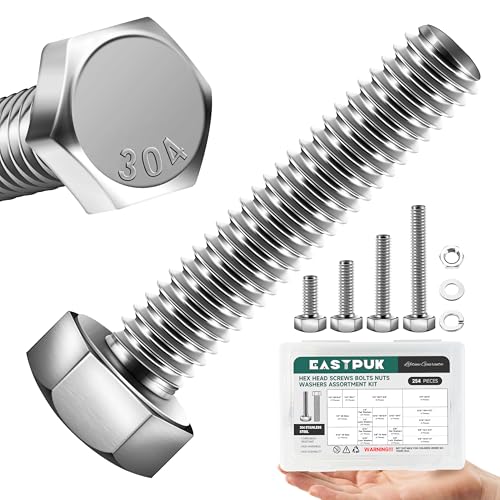
Fasteners are the most common replacement and the easiest to source yourself. Take an existing bolt to match thread diameter, pitch, and length, and buy stainless or properly galvanized rather than plated steel, because plated hardware on an outdoor structure rusts and seizes, which is what created the problem in the first place.
Locking nuts are worth using throughout on a structure that vibrates under climbing loads. Nylon insert lock nuts resist backing off far better than plain nuts with a washer, and swapping a full set at once removes the annual retightening chore almost entirely.
Canopies, Anchors, and Accessories
Canopies are the part that ages fastest, because UV exposure degrades fabric long before steel gives up. A fitted replacement from the manufacturer matches the frame exactly, while a universal shade cover that ties on is the fallback when a brand no longer supplies a cover for an older model.
Ground anchors are the other part worth replacing rather than reusing. Many domes ship with light stakes that were marginal when new, and a bent stake pulled out of hard ground rarely goes back in straight. Sizing anchors to your actual soil is covered in our guide to ground anchors for play equipment.


Parts Worth Keeping on Hand
How we chose: we looked at which dome parts owners most often report replacing, which of those have standard sizing that makes a generic replacement straightforward, and which are worth buying before something fails rather than after. Selections lean on manufacturer documentation and recurring themes in customer reviews rather than any hands-on trial of our own.
🔩 Most Useful Overall
A stainless fastener assortment with nylon insert lock nuts, which covers the repair most domes need and stops the annual loosening cycle at the same time.

🛠️ Best Tool for the Job
A socket set with the drive sizes a dome uses, which turns a full retightening pass from an afternoon with the supplied stamped wrench into a short job.

When to Repair and When to Stop Using It
Loose bolts, a torn canopy, worn swing straps, and bent anchors are all normal maintenance and safe to work through at your own pace. A cracked connector, a bent or kinked frame tube, or rust that has eaten through a tube wall is a different category, and the dome should be out of use until that part is properly replaced with a matching component.
Improvised structural repairs are the thing to avoid. A hose clamp over a cracked hub, a bolt of the wrong grade, or a tube spliced with a sleeve from the hardware store all change how the frame carries load, and a dome carries the weight of several children at the top of its arc. If the manufacturer cannot supply the structural part, replacing the dome is the honest answer.
Common Mistakes to Avoid
- Ordering by photograph. Domes from different brands look identical and are not interchangeable. Identify the model and measure before ordering.
- Using plated steel fasteners outdoors. They rust and seize, and the next repair becomes a drilling job rather than a wrenching one.
- Improvising a structural repair. Clamps and sleeves over a cracked connector or bent tube change how the frame carries load, and that load is children.
- Reusing bent anchors. A stake that came out crooked will not hold, and the anchoring is what stops the frame shifting under side loads.
- Waiting for the annual check to notice a problem. A quick look over the joints when you mow catches loosening hardware long before it becomes a cracked hub.
Frequently Asked Questions
Where can I buy climbing dome replacement parts? Structural parts such as tubes and connectors come from the manufacturer’s customer support, since hub geometry and tube sizing are model specific. Fasteners, anchors, canopies, and swing attachments are widely available generically once you match the sizing.
Does Zupapa sell replacement parts for climbing domes? Zupapa, like most dome brands, handles parts requests through customer support rather than a public parts catalog. Have your order number, model, and photographs of the damaged part ready, since support will ask for all three.
Can I use generic bolts on a climbing dome? Yes, provided you match thread diameter, pitch, and length, and choose stainless or properly galvanized hardware. Nylon insert lock nuts are worth using throughout, because plain nuts back off under repeated climbing loads.
What if my climbing dome connector is cracked? Take the dome out of use and order a matching connector from the manufacturer. Connectors sit at the load points, and a clamp or improvised sleeve does not restore how the joint carries weight.
Can you replace a climbing dome canopy? Usually. A fitted cover from the manufacturer matches the frame exactly, and a universal tie-on shade cover is the practical fallback for older models that are no longer supported.
How do I know which climbing dome model I have? Check the original manual, your order confirmation, or a sticker on a base tube. If none of those survive, measure the tube outside diameter, the bolt thread size, and the overall dome diameter, and photograph a connector from two angles for support.
Is it worth repairing an old climbing dome? If the frame is straight and the coating intact, yes, since hardware and canopies are cheap relative to the structure. If tubes are bent or rusted through, or the maker cannot supply a matching hub, replacement is the safer call.
The Bottom Line
Most climbing dome repairs are hardware repairs. Match your fasteners in stainless or galvanized with nylon insert lock nuts, replace canopies and anchors as consumables, and go to the manufacturer for anything structural, which is how Zupapa and most other dome brands handle parts. A cracked connector or bent tube takes the dome out of use until a matching part arrives, because an improvised structural fix changes how the frame carries children.
See the parts worth keeping on hand