Last updated: August 18, 2026
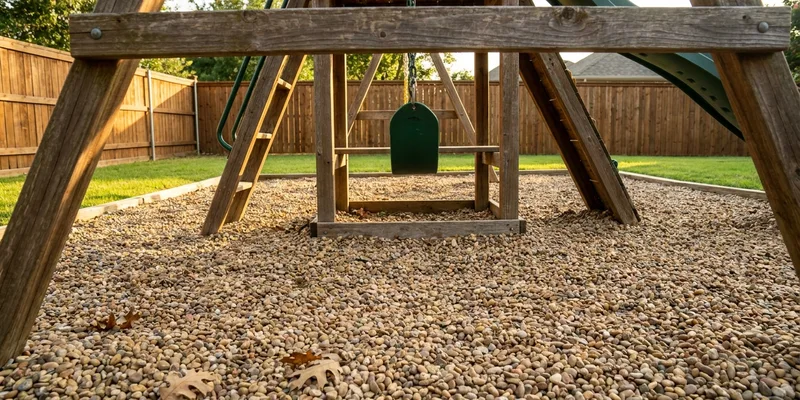
Pea gravel for playground areas is one of the few surfacing choices where the honest recommendation depends heavily on who is using the play area. It drains beautifully, never rots, never needs replacing and looks tidy for years. It also carries the lowest fall height rating of the common loose-fill materials in CPSC guidance, and it is the one material with a genuine swallowing concern for the youngest children.
This guide covers what CPSC guidance says about gravel depth and fall height, where pea gravel is a smart choice and where it is the wrong one, and what to buy so the layer stays contained and drains the way it is supposed to.
This article contains affiliate links. If you buy through them, we may earn a commission at no extra cost to you. Learn more.
Quick Answer
Is pea gravel a good playground surface?
- It is durable and drains well, but it cushions the least of the common loose fills. The CPSC Public Playground Safety Handbook rates 9 inches of compressed pea gravel for a 5 foot fall height, against 10 feet for wood chips or shredded rubber at their listed depths.
- That makes it a reasonable surface under low equipment and a poor one under a tall climbing tower or a high swing beam.
- Small loose stones carry a swallowing risk for very young children, so check the handbook’s age group guidance before choosing gravel for a toddler play area.
- Where it does fit, it needs the same three things as any loose fill: a permeable base, a deep border, and raking back to depth in the swing and slide zones.
How Pea Gravel Compares to the Other Loose Fills
The CPSC handbook publishes minimum compressed loose-fill depths against the fall height each material protects. Reading those figures side by side is the fastest way to see where gravel sits: it is the second lowest of the group, ahead of sand and well behind wood chips and shredded rubber.
| Material | CPSC rated fall height at the listed compressed depth | Practical notes |
|---|---|---|
| Pea gravel | 5 feet at 9 inches compressed | Excellent drainage, no decomposition, no insects; hardest underfoot and the lowest cushioning of the three organic and rubber alternatives |
| Sand | 4 feet at 9 inches compressed | The lowest rating in the table; also the material most likely to be dug up and moved around |
| Wood mulch, non-CCA | 7 feet at 9 inches compressed | Cheap and cool underfoot, decomposes and needs topping up |
| Wood chips | 10 feet at 9 inches compressed | The strongest wood rating in the table; screened playground grade avoids most splinter complaints |
| Shredded or recycled rubber | 10 feet at 6 inches compressed | Same rating from a shallower bed and no decomposition, but it holds heat in direct sun |
If gravel is on your list mainly because it never needs replacing, our comparison of rubber mulch against pea gravel, rock and sand covers that trade-off directly.
Where Pea Gravel Is a Good Fit
Gravel makes sense under low equipment, in wet yards where drainage is the main problem, and anywhere an organic layer would rot or grow mold. A toddler frame, a sandbox surround, a low playhouse or a swing set with a modest beam height are all situations where the 5 foot rating is not the limiting factor.
It also solves a maintenance problem that nothing organic can. Gravel does not decompose, does not host insects, does not mold in a shaded corner, and does not need a fresh delivery every couple of springs. In a yard that stays damp under trees, that alone can settle the decision.
Where it is the wrong choice
Tall climbing structures, high swing beams and anything where the fall height exceeds what the handbook rates gravel for. Also unshaded play areas in hot climates, where stone gets uncomfortably warm, and any area built primarily for children young enough to still put things in their mouths. On that last point the handbook’s age group guidance is the thing to read before you order, not a blog post.
What to Buy for a Pea Gravel Play Area
How we chose: we looked at what actually determines whether a gravel bed performs, which is stone size and washing, the base layer beneath it, and containment at the edges. Selections lean on product specifications and recurring themes in customer reviews rather than any hands-on trial of our own.
🏆 The Stone Itself
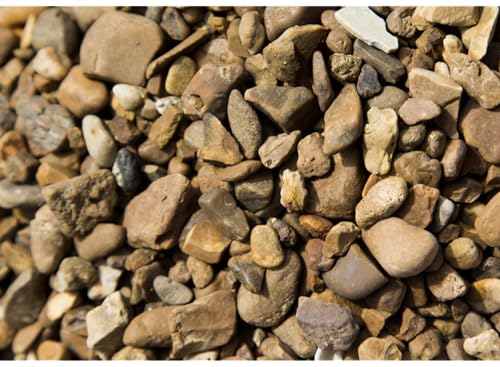
Rounded, washed pea gravel rather than crushed angular stone. Rounded stone is kinder to knees and hands, and washed product means far less dust working its way into the base.
🧱 The Layer Underneath
A heavy duty permeable weed barrier. Gravel sinks into bare soil faster than any other loose fill, and fabric is what keeps the depth you installed from disappearing downward.

🚧 Containment
Deep profile playground border edging. Gravel migrates hard, and a shallow flower bed trim will not hold a bed installed to a proper surfacing depth.
The Two Tools That Make Gravel Manageable
Gravel maintenance is entirely about redistribution. The stone does not break down, it just moves, mostly from under the swings toward the border. Two inexpensive items turn that from a chore into a five minute job every few weeks.
🧹 Best for Leveling
A wide bow head garden rake, which pulls gravel back into the hollows under the swings without digging into the fabric below.

🎯 Best for Wear Spots
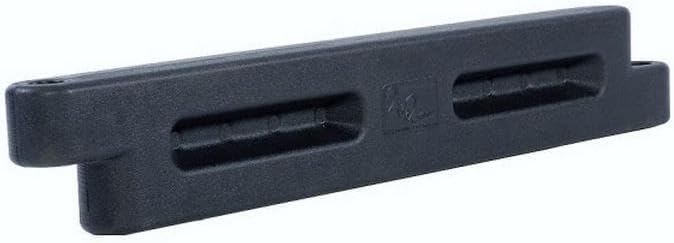
Rubber wear mats at the slide exit and under each swing seat, where gravel scatters fastest and the base shows through first.

Installing a Gravel Play Surface
Excavate to your target depth, set the border before anything goes in so the volume is defined, lay permeable fabric across the whole base including up the sides of the excavation, then bring the gravel in and rake it level. Gravel compacts less than organic material, but it does settle into the fabric, so allow a little extra.
Do not use solid plastic sheeting under gravel. Drainage is the main reason to choose stone in the first place, and a sealed base turns the bed into a shallow pond after heavy rain. If the area already holds water, fix the grade before the gravel goes down rather than expecting the stone to solve it.
Common Mistakes to Avoid
- Using gravel under tall equipment. CPSC guidance rates 9 inches of compressed pea gravel for a 5 foot fall height, which is the lowest of the common loose fills except sand.
- Choosing crushed angular stone instead of rounded pea gravel. Sharp edges are rougher on hands and knees and pack tighter, which reduces cushioning.
- Skipping the fabric. Gravel works its way into bare soil, and within a season the layer is shallower than you think it is.
- Laying it over solid plastic. That removes the drainage advantage that made gravel attractive to begin with.
- Choosing it for a toddler area without checking the handbook. Small loose stones and children who still mouth objects are a poor combination.
- Assuming it never needs attention. The stone lasts forever but it does not stay put, and the swing zone hollows out like any other loose fill.
Frequently Asked Questions
Is pea gravel safe for a playground? It is an accepted loose-fill surfacing material in CPSC guidance, but with the lowest rating of the common options apart from sand. Nine inches of compressed pea gravel is rated for a 5 foot fall height, so it suits low equipment rather than tall structures.
How deep should pea gravel be under a play set? The CPSC Public Playground Safety Handbook lists 9 inches of compressed pea gravel as protecting to a 5 foot fall height. Because that is a compressed figure, the loose stone goes in deeper and settles into it.
Is pea gravel safe for toddlers? Small loose stones carry a swallowing risk for children young enough to still put objects in their mouths, so check the CPSC handbook’s age group guidance before choosing gravel for a toddler play area rather than relying on general advice.
Does pea gravel need landscape fabric underneath? Yes, a permeable barrier is worth using. Gravel sinks into bare soil quickly, and fabric keeps the installed depth from quietly disappearing while still letting water through.
Does pea gravel get hot in the sun? Stone warms up in direct sun, though it is generally less of a complaint than recycled rubber. Shade over the play area helps with any hard surfacing.
Do weeds grow through pea gravel? Some will, especially from seed blown in on top, but a permeable weed barrier underneath cuts the problem down to occasional hand pulling rather than a recurring job.
Is pea gravel cheaper than mulch over time? It does not decompose, so there is no annual top up in the way organic mulch needs one. That durability is its main practical advantage over wood.
The Bottom Line
Pea gravel is a durable, well draining, insect free surface that never needs replacing, and CPSC guidance rates 9 inches of compressed gravel for a 5 foot fall height. That figure is the whole story: it is a sound choice under low equipment and a poor one under a tall climbing structure. Use rounded washed stone, lay permeable fabric, set a deep border, check the handbook’s age guidance if toddlers are the main users, and rake the swing zone back to depth every few weeks.