Last updated: August 18, 2026
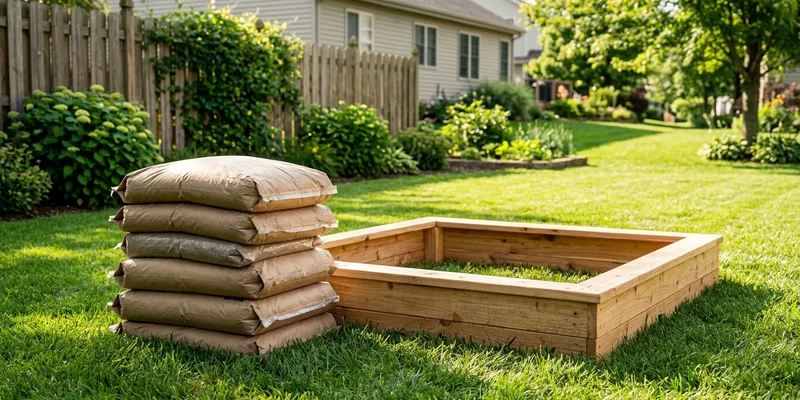
Working out how much sand a sandbox needs is arithmetic, not guesswork, and it takes about thirty seconds once you know the formula. The reason people get it wrong is that sand is sold by weight or by bag while sandboxes are described by their outside dimensions, so the two never line up on the product page.
This guide gives you the formula, worked examples for the common sizes, the way to convert cubic feet into a number of bags using what is printed on the packaging, and the handful of real world factors that mean you should buy slightly more than the math says.
This article contains affiliate links. If you buy through them, we may earn a commission at no extra cost to you. Learn more.
Quick Answer
How much sand does a sandbox need?
- Multiply the interior length by the interior width in feet, then by your fill depth in feet. Depth in inches divided by twelve gives you the depth in feet. The answer is cubic feet of sand.
- Convert to bags by dividing your cubic feet by the volume the bag states on its packaging. Bag labels give either a volume or a weight, and the volume is the number you want.
- Fill depth is your choice, not a safety specification. Enough to dig in without hitting the bottom is the practical target, and deeper simply means more sand.
- Buy a little more than the math says. Sand settles, escapes on clothes and shoes, and you will want to top it up during the season anyway.
The Formula, and What It Gives You for Common Sizes
Volume is length times width times depth, with every measurement in the same unit. Work in feet, convert your intended depth from inches by dividing by twelve, and the result is cubic feet. The table below runs that calculation for the sizes most backyard sandboxes come in, at two example depths.
| Interior size | Floor area | Sand at 4 inches deep | Sand at 6 inches deep |
|---|---|---|---|
| 3 by 3 feet | 9 square feet | 3.0 cubic feet | 4.5 cubic feet |
| 4 by 4 feet | 16 square feet | 5.3 cubic feet | 8.0 cubic feet |
| 5 by 5 feet | 25 square feet | 8.3 cubic feet | 12.5 cubic feet |
| 6 by 6 feet | 36 square feet | 12.0 cubic feet | 18.0 cubic feet |
| 4 by 6 feet | 24 square feet | 8.0 cubic feet | 12.0 cubic feet |
| 4 feet across, round | 12.6 square feet | 4.2 cubic feet | 6.3 cubic feet |
These are our own calculations from the dimensions in the first column, rounded to one decimal place. They are arithmetic rather than a recommendation, and the two depths are examples chosen because they bracket what most families end up using.
Turning Cubic Feet Into a Number of Bags
Play sand is usually sold by weight, but the packaging normally also states a volume, and volume is what you need. Divide your cubic feet by the cubic feet the bag states, then round up. If the bag lists only a weight, look for the volume in the product specifications or ask the retailer, because weight alone cannot be converted without knowing the sand’s density.
As a worked example, take the 4 by 4 foot box at 6 inches deep, which the table puts at 8.0 cubic feet. If the bag you are buying states half a cubic foot, you need sixteen bags. If it states a third of a cubic foot, you need twenty four. The arithmetic is the same either way, and the only variable is the number printed on the bag in front of you.
Bulk Instead of Bags
On larger boxes, bagged sand becomes a lot of lifting. Landscape suppliers sell by the cubic yard, and one cubic yard is twenty seven cubic feet. Confirm with the supplier that it is washed sand intended for play use rather than a construction grade product.

Choosing a Fill Depth
Fill depth is a preference, and there is no official figure for it. What you want is enough sand that a child can dig, mound and bury a toy without immediately scraping the bottom of the box, which for most sandboxes means somewhere in the range the table above covers. Deeper is not better, it is simply more sand to buy and to keep dry.
Shallower fills dry out faster after rain, which is a genuine advantage in a wet climate. If you are unsure, start at the lower end and top it up later, since adding sand is easy and removing it is a chore.
This Is Not the Same as Playground Surfacing Depth
Do not confuse sandbox fill depth with the surfacing depth required under swings, slides and climbers. Those depths are safety figures that come from the CPSC Public Playground Safety Handbook and depend on the fall height of the equipment, and they are a completely different calculation. Our guide to playground surfacing depth covers that side properly. A sandbox is a play surface, not fall protection.
Round, Octagon and Awkward Shapes
The same principle applies, only the area calculation changes. For a round box, area is pi times the radius squared, where the radius is half the distance across. A box 4 feet across has a radius of 2 feet, so the area is roughly 12.6 square feet, which is the figure in the last row of the table.
For an octagon or any other odd shape, treat it as the rectangle it fits inside and subtract a bit. Sand does not need three decimal places, and being slightly over beats being slightly under.
Four Things That Change the Real Number
The formula gives you the geometric volume of the box. Four practical factors sit between that number and what you actually order, and all four push in the same direction, which is buy a little more.
First, measure the inside rather than the outside. A timber frame’s boards can take a surprising amount off each dimension, and the listing usually quotes the exterior. Second, subtract for anything inside the box: corner seats, a center divider or a molded shape all take up volume that the length times width calculation assumes is sand.
Settling, Escape and the Uneven Base
Third, sand settles and compacts after the first few rains, so a box filled exactly to your target depth will sit lower within a month. Fourth, sand leaves the box constantly on shoes, clothes and toys, which is why topping up once a season is normal rather than a sign of a leak.
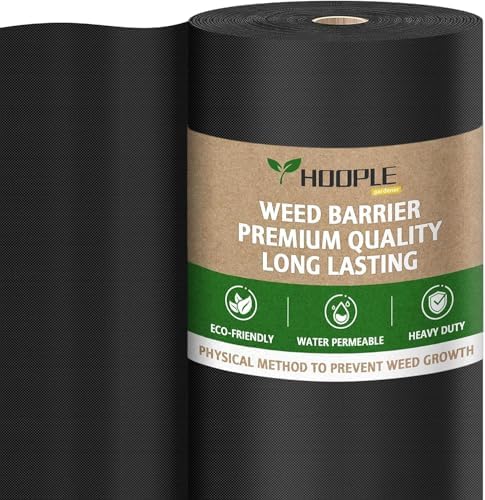
One more thing worth doing before you fill: level the ground and lay permeable landscape fabric under a timber frame so water drains and soil does not push up into the sand from below. Avoid solid plastic sheeting, which traps water and gives you a permanently damp box.
Common Mistakes to Avoid
- Measuring the outside of the box. The listing quotes exterior dimensions; the sand only fills the interior.
- Converting weight to volume by guesswork. Use the volume stated on the bag, since weight alone tells you nothing without the density.
- Forgetting the seats and dividers. Anything inside the frame is volume that is not sand.
- Buying exactly the calculated amount. Sand settles and escapes, so an extra bag or two saves a second trip.
- Treating sandbox depth as a safety figure. Fall protection surfacing under play equipment is a separate CPSC based calculation entirely.
Frequently Asked Questions
How do you calculate how much sand a sandbox needs? Multiply the interior length by the interior width in feet, then by the fill depth in feet, which is the depth in inches divided by twelve. The result is cubic feet of sand.
How many bags of sand for a 4 by 4 foot sandbox? That depends on the bag. A 4 by 4 foot box filled 6 inches deep works out at 8 cubic feet, so divide 8 by the volume the bag states on its packaging and round up.
How deep should the sand in a sandbox be? There is no official figure. Deep enough that a child can dig without immediately hitting the bottom is the practical target, and shallower fills dry out faster after rain, which matters in a wet climate.
What kind of sand should go in a sandbox? Sand sold and labeled specifically as play sand, which is washed and screened rather than the coarser construction or masonry product. Check the manufacturer’s safety information for the specific product you buy.
How often do you need to add more sand? Once a season is normal, because sand settles and leaves the box on clothes, shoes and toys. Replace the fill entirely rather than topping up if an animal has been in it.
The Bottom Line
Interior length times interior width times depth, all in feet, gives you cubic feet. Divide that by the volume printed on the bag to get the number of bags, and round up. Subtract for seats and dividers, add a margin for settling and for the sand that walks out on shoes, and remember that fill depth is your preference rather than a safety specification. The depths that do come from the CPSC apply to surfacing under play equipment, which is a different question entirely.